What changed in 2026
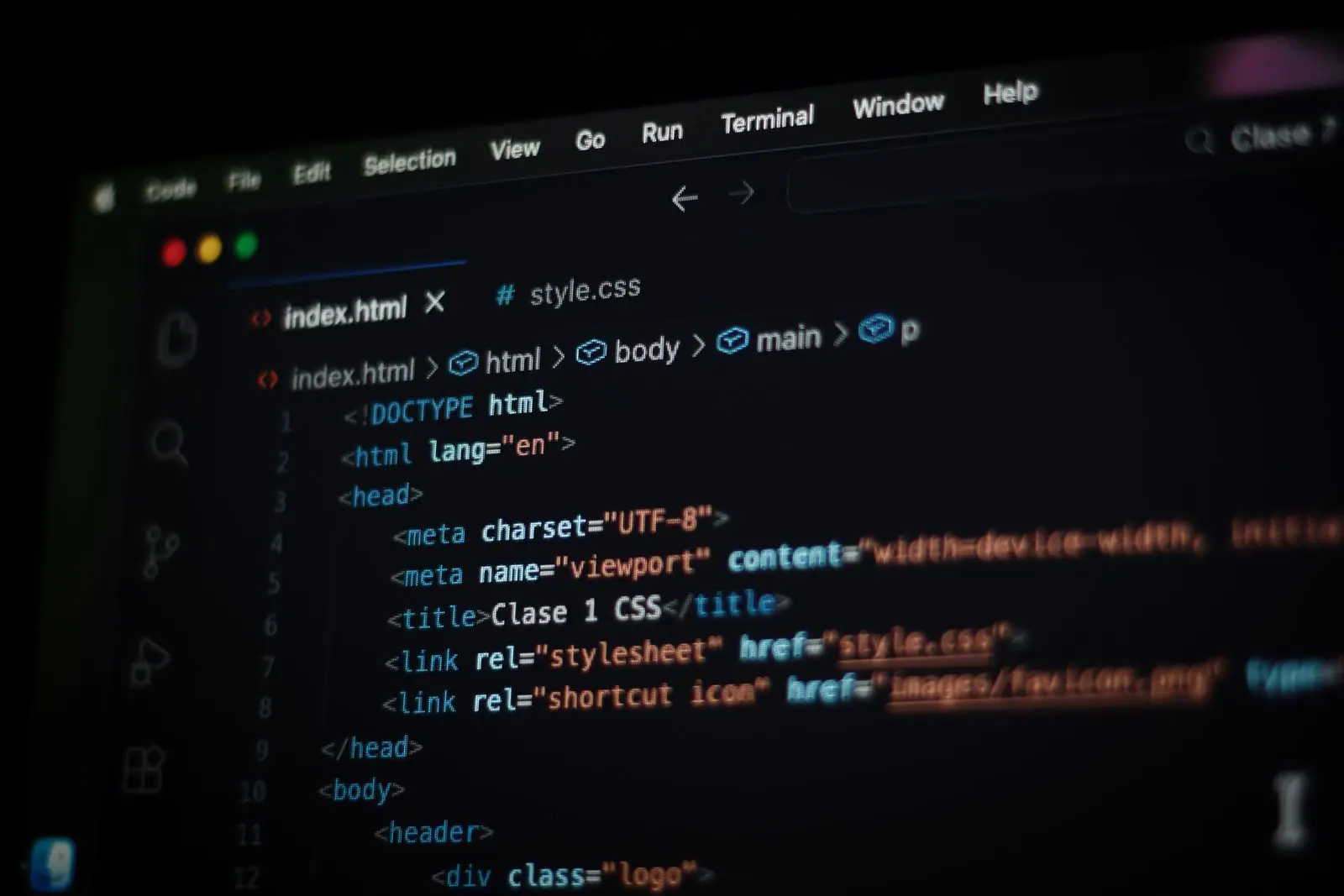
Structured data is code on your page that tells search engines, in a fixed vocabulary from schema.org, what the page is about: this is a dentist, at this address, open these hours. For years agencies sold it as a way to get extra features in Google: FAQ dropdowns, how-to steps, review stars. Most of those are gone.
| Feature | Status | Source |
|---|---|---|
| FAQ rich results | No longer shown from 7 May 2026, for all sites | TechWyse, PPC Land |
| HowTo rich results | Retired in 2023 | Google Search Central blog, Aug 2023 |
| Review stars for your own business | Ineligible on LocalBusiness and Organization pages | |
| Local business details | Supported | |
| Product, Event, Breadcrumb, Organization | Supported | Google Search Central |
What's left is less glamorous and more useful: telling machines exactly who you are.
What Dubai sites actually carry
When we crawled 409 Dubai restaurant, café, bar and lounge websites for our 2026 study, 75.3% had some schema.org markup, usually added automatically by a plugin. Only 22.0% (90 sites) marked the venue as a Restaurant, BarOrPub or similar type with an address and hours, the markup Google documents for local businesses. Most sites are labelled as a generic "WebSite" or "Organization" by their theme, which says nothing about where they are or when they're open.
Which markup for which business
| Business | Main type | Key properties | Add where relevant |
|---|---|---|---|
| Restaurant, café, bar | Restaurant, CafeOrCoffeeShop, BarOrPub | address, geo, telephone, openingHoursSpecification, servesCuisine, priceRange, menu | Event for live music or brunch nights |
| Clinic, dentist | MedicalClinic, Dentist | address, telephone, openingHoursSpecification, medicalSpecialty | Physician for doctor pages |
| Salon, spa | BeautySalon, DaySpa | address, telephone, openingHoursSpecification, priceRange | Service pages as plain content |
| Real estate agency | RealEstateAgent | address, telephone, areaServed | Organization with logo |
| Service business without premises | LocalBusiness subtype with areaServed | telephone, areaServed, url | Don't publish a fake address |
| Online shop | Organization, Product, Offer | price, priceCurrency (AED), availability | BreadcrumbList |
| Any site | Organization, WebSite, BreadcrumbList | name, logo, sameAs (social profiles) | — |
Google requires only name and address for local business markup and recommends geo, opening hours, telephone, URL and price range. Use the most specific type schema.org offers; "LocalBusiness" alone is the fallback.

Rules that matter in the UAE
- Match the Google Business Profile exactly. Same name, same phone in +971 format, same area spelling. Markup that contradicts the profile adds doubt instead of removing it.
- One block per location. A multi-branch business marks up each branch on its own page, not all branches on the home page.
- Hours for Ramadan and holidays. Use openingHoursSpecification with validFrom and validThrough for special hours, and update the profile at the same time.
- Menu as a page, not a PDF. The menu property should point to an HTML menu. In our study, 35.9% of venues published the menu only as a PDF.
- Language versions. Each language page carries markup in its language for names and descriptions; address and phone stay identical.
A filled-in example
What the local business block for a hypothetical café in Al Quoz would contain:
| Property | Value |
|---|---|
| @type | CafeOrCoffeeShop |
| name | The name on the trade licence and Google profile |
| address | Street, building, Al Quoz Industrial Area 1, Dubai, AE |
| geo | Latitude and longitude of the entrance, copied from Google Maps |
| telephone | +971 4 XXX XXXX |
| openingHoursSpecification | Mo–Su 08:00–22:00; Ramadan hours with validFrom and validThrough |
| servesCuisine | Coffee, Breakfast |
| priceRange | AED 30–80 |
| menu | https://example.ae/en/menu/ (an HTML page) |
| sameAs | Instagram and Google Maps URLs |
Every value here is also visible on the page and identical to the Google profile. That's the whole trick.
How to check it
- Run each template, home, location, service, menu, through Google's Rich Results Test and the Schema Markup Validator.
- Fix errors first, then warnings for properties you can fill truthfully.
- Watch Search Console's enhancement reports after deployment.
- Re-check after every theme or plugin update; plugins often overwrite custom markup.
What nobody tells you
Two plugins, two contradicting blocks. An SEO plugin and a theme can each output their own Organization markup with different names or logos. Look at the page source, not just the plugin settings.
Markup can't fix a weak page. It describes content; it doesn't create it. A location page with no address in the visible text and an address only in the code is a red flag, not a strength.
AI assistants don't need it, but they benefit. Google says its AI features need no special markup. Clear structured data still removes ambiguity for any system reading your page; see our guide to being recommended by ChatGPT and AI Overviews.
Vladimir Chernyshev, GM: in 2026, schema is housekeeping, not a growth hack. Do the local business block properly once, keep it in sync with Google Maps, and spend the rest of the budget on the content the markup describes. The broader setup is in our local SEO plan.