
Three options, not two
When a Dubai business owner says "we need an app", they usually mean one of three things:
| Option | What it is | Installed from |
|---|---|---|
| Mobile website | Your site, designed for phones | Nothing to install |
| PWA (progressive web app) | A website that can be installed and work offline, with an icon on the home screen | The browser |
| Native app | Built for iOS and Android | App Store, Google Play |
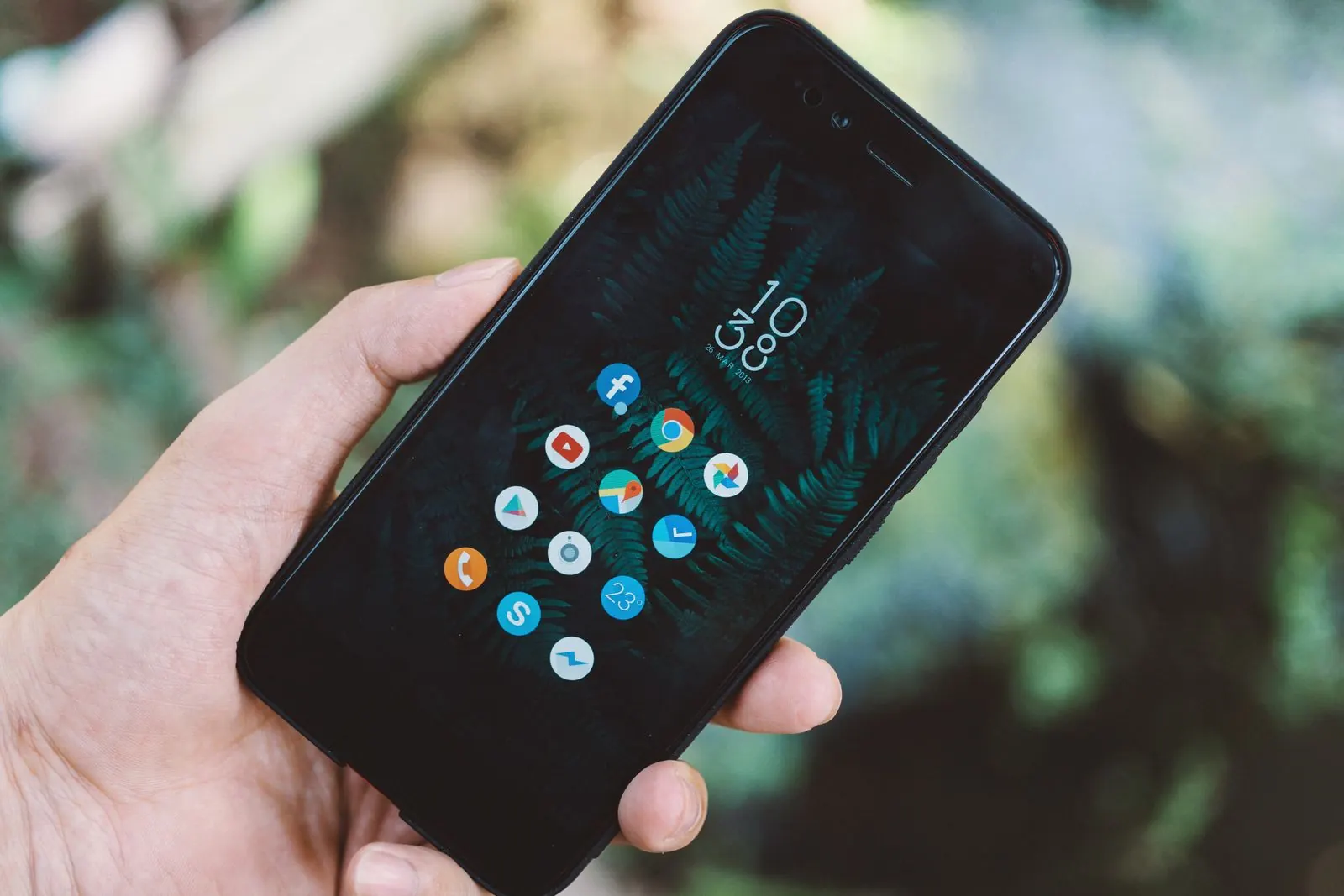
A PWA is the middle ground: it's built with web technology, updates instantly like a website, and still lives on the home screen like an app.
What changed on iPhone
The old argument against PWAs was iPhones: no push notifications. Since iOS 16.4, a web app that has been added to the Home Screen can ask for notification permission. Two catches: the user must add it to the Home Screen first, and the permission request has to follow a tap, such as a "Notify me about offers" button. So iPhone push works, but fewer people will opt in than in a native app.
Decision table
| Your business needs | Mobile site | PWA | Native |
|---|---|---|---|
| Menu, prices, booking link, WhatsApp | Yes | Optional | No |
| Online ordering for pickup or delivery from your own venue | Yes | Yes | Only at high volume |
| Loyalty card and offers | Wallet pass | Yes | Optional |
| Push reminders for bookings or offers | No | Yes (iPhone needs Home Screen) | Yes |
| Customers use it several times a week (classes, delivery, club) | No | Possible | Yes |
| Bluetooth, NFC, background location, camera-heavy features | No | Limited | Yes |
| Being found by searching the App Store | No | No | Yes |
| Selling digital subscriptions inside the app | Your own checkout | Your own checkout | Store rules and commission apply |
The table reflects our recommendations. If your needs land mostly in the first three rows, you don't need the App Store.
Two-year cost, side by side
Native figures come from Dubai agency guides; PWA costs depend heavily on scope, so we show the pattern rather than a quote.
| Item | Native app (iOS + Android) | PWA |
|---|---|---|
| Build | AED 18,000–92,000 for a basic app or MVP (Decipher Zone) | Usually a website project plus offline and install features |
| Store accounts, 2 years | Apple USD 99/year × 2 + Google USD 25 once = USD 223 (≈ AED 819) | None |
| Maintenance, 2 years | 15–20% of build a year (Xntric estimate): on a AED 50,000 build, AED 15,000–20,000 | Hosting and normal website updates |
| Updates | Store review for each release | Instant |
| Commission on digital goods | 15% for small developers (Apple; Google's first USD 1M) | None |
Worked example on the maintenance line: AED 50,000 × 15% × 2 years = AED 15,000; × 20% × 2 = AED 20,000. That is before any new features. Our app cost guide covers build prices in more detail, and publishing a company app covers the store paperwork.
The Wallet-pass shortcut
Many small businesses want an app only for a loyalty card. Apple Wallet already supports store cards, coupons and generic passes, and Google Wallet has an equivalent. The customer scans a QR code at the counter, adds the card, and you update points or push a new offer to the pass. Apple documents how passes are distributed and updated without a native app of your own.
For a café, salon or gym, a Wallet card plus a fast mobile site often delivers what the loyalty app was supposed to.
What nobody tells you
Downloads are not usage. A native app gets installed during a promotion and deleted when the phone runs out of space. Ask how often a customer will open it in a normal month. If the answer is "once", you're building a website that costs more.
Two stores, two reviews, two codebases or one framework. Every native release goes through store review. Cross-platform frameworks reduce the work but don't remove it.
Payments follow different rules. Apple's and Google's commissions apply to digital goods and subscriptions sold in the app. Restaurant orders and service bookings generally go through your own gateway; check the store guidelines for your exact case before you build.
Vladimir Chernyshev, GM: we build native apps, and I would still advise most small businesses to start without one. Start with a fast mobile site or PWA, add a Wallet card, and measure how often customers come back. When the numbers show people using it weekly, build the native app on top of the same backend, and you'll know exactly which features to put in it.