Who regulates a food ad
Three layers apply to a food or drink ad in Dubai:
- Dubai Municipality (DM), Food Safety Department, for claims on menus, labels and in advertising, and the Montaji system for health supplements.
- Federal standards, mainly UAE.S GSO 2333:2019 on permitted health and nutrition claims.
- The federal Media Law, whose Executive Regulation, Article 33(10)(e), lists "food-related advertisements" among the ads that need the relevant authority's approval. Skipping a required sector approval costs AED 10,000 under Cabinet Resolution 42/2025.
There is no single "food ad permit" for an ordinary restaurant post that we could find. What is regulated hard is the claim.
What DM says about claims
Dubai Municipality's guide on calorie declaration and healthy claims applies to food establishments' "commercial communications, whether in the labeling, presentation or advertising of foods". Key rules:
- All claims must be substantiated with lab analysis, nutritional analysis or calculation, and shown to DM on request.
- Claims must comply with UAE.S GSO 2333:2019 or the EU regulation on nutrition and health claims.
- "Healthy" and related words (healthier, healthiest, health) may be used only if the item meets the criteria, and the Eat Healthy, Live Healthy certification is "the only permitted claim if dishes are claimed to be healthy, whether clearly stated, suggested or implied".
- Any establishment using "healthy" or nutrition claims must show the statement "Additional nutrition information is available upon request".
- Calorie information in social media ads and promotional flyers is voluntary.
Claim-by-claim table
Our reading of the DM guide and the standard it points to. Thresholds below are the examples DM itself gives.
| What the caption says | Allowed? | Condition |
|---|---|---|
| "Healthy bowl", "guilt-free", "clean eating" | Only with Eat Healthy, Live Healthy certification | Implied claims count |
| "Low fat" | Yes, if ≤ 3 g fat per 100 g (solids) | Lab or calculated analysis on file |
| "High in fibre" | Yes, if ≥ 6 g per 100 g or 100 ml (or in the expected daily intake) | Same |
| "30% less sugar than our classic" | Yes, as a comparative claim if it meets the standard | Comparison basis stated |
| "Only 350 kcal" | Yes | Number must be substantiated |
| "Calcium helps maintain normal bones" | Yes, if it is a permitted health claim and the food qualifies | Conditions of use in GSO 2333 |
| "Boosts immunity", "detox", "burns fat" | No, unless it matches a permitted claim exactly | These are rarely on the permitted list |
| "Prevents diabetes", "cures bloating" | No | Disease claims are banned |
| "Best burger in Dubai" | Avoid | Art. 33 bans exaggeration and unprovable superlatives |
| Any alcohol, shisha or smoking reference | No | Banned by Art. 33(9) |

Supplements, protein and "functional" products
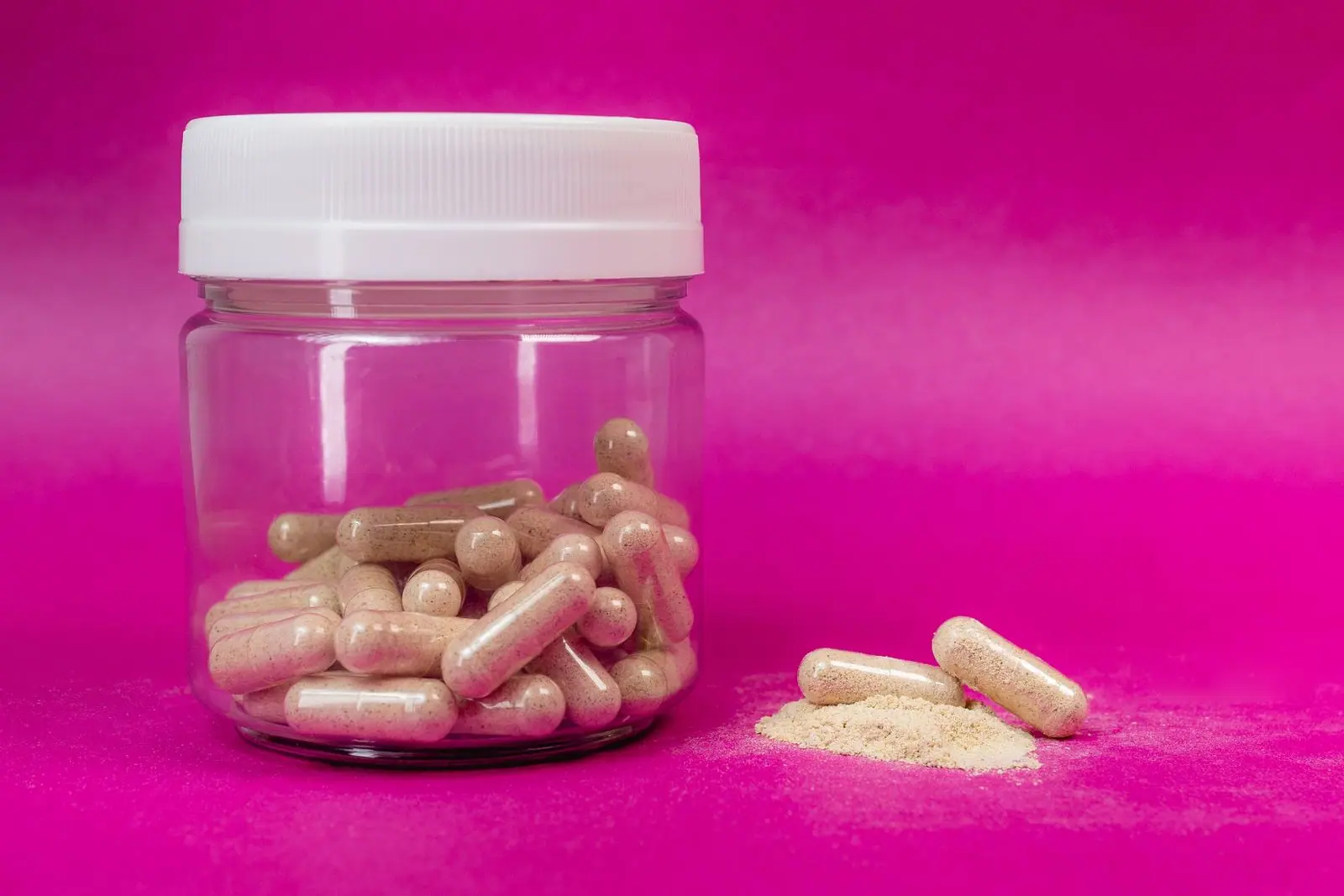
If the product is a health supplement (vitamins, protein powders sold as supplements, herbal capsules), Dubai Municipality's technical guidelines apply:
- no product may be advertised in Dubai unless registered in Montaji;
- every ad or promotion needs pre-approval through Montaji: brochures, press, campaigns, social media, TV, outdoor and indoor ads;
- claims about preventing, treating or curing any disease are banned on labels, brochures, leaflets and ads;
- discounts, gifts, prize conditions and free samples of registered products do not need DM approval.
An agency guide puts the Montaji consumer-product ad permit at AED 100 a month, up to AED 1,200 a year, in about 3 days. We could not confirm the fee on a DM page, so treat it as indicative.
Worked example: a café's "healthy menu" launch
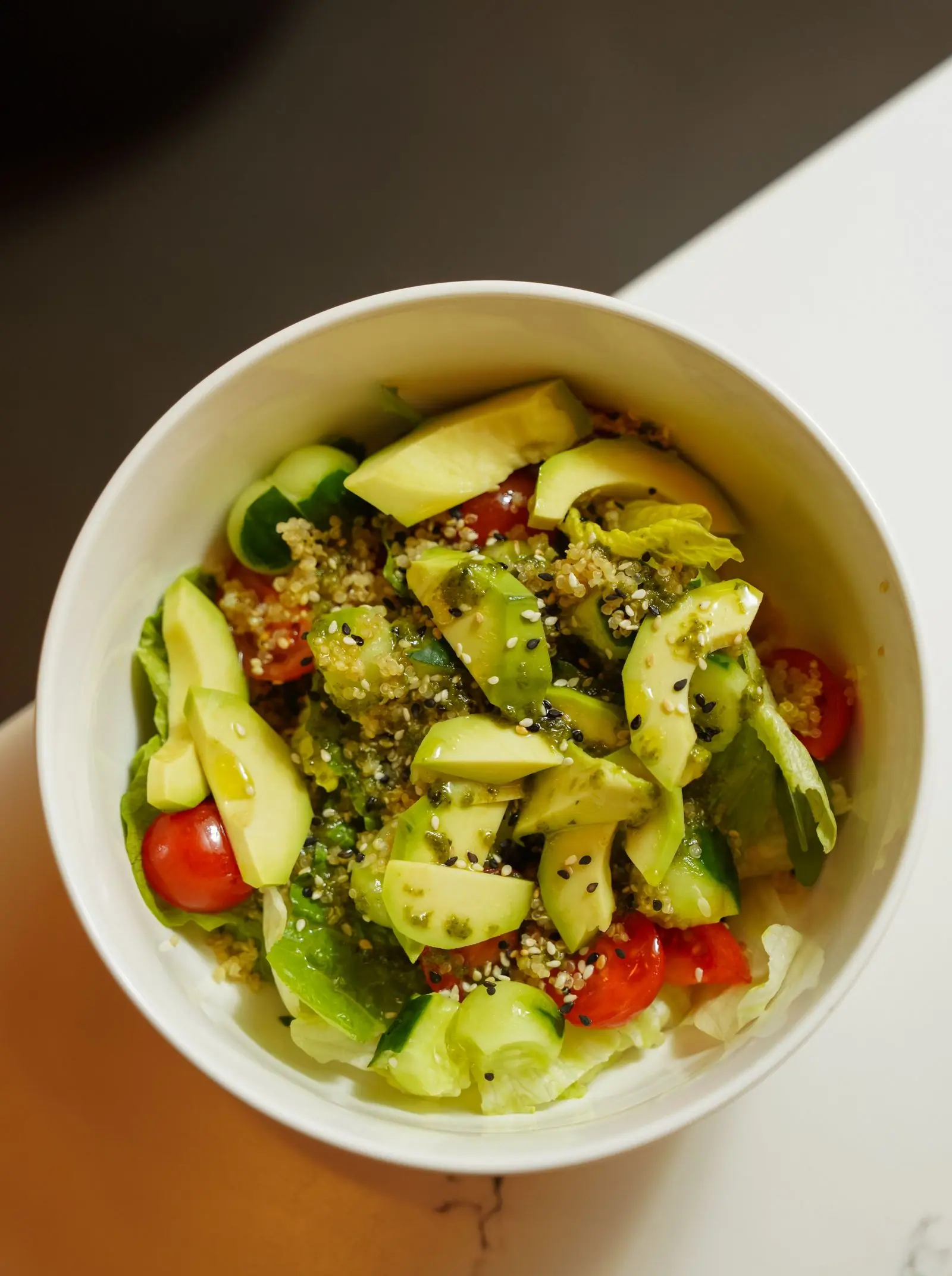
A Jumeirah café launches five new bowls and wants to post "Our new healthy menu: under 500 kcal, high protein, boosts your energy".
| Phrase | Problem | Fix |
|---|---|---|
| "healthy menu" | Needs Eat Healthy, Live Healthy certification | Certify the dishes, or say "our new bowls" |
| "under 500 kcal" | Fine if each bowl's calories are substantiated | Keep the nutrition calculation on file |
| "high protein" | Must meet the GSO 2333 condition | Check the protein threshold per 100 g |
| "boosts your energy" | Health claim not obviously permitted | Drop it; describe taste and ingredients instead |
| Missing line | Establishments making claims must offer more information | Add "Additional nutrition information is available upon request" |
What nobody tells you
- "Implied" claims count. A green-leaf icon and "guilt-free" next to a dish read as "healthy". DM's guide covers claims that are "stated, suggested or implied".
- The influencer's caption is your claim. If a creator writes "the healthiest brunch in Dubai" about your café, it's still an ad for your food. Brief creators on banned words and check their Advertiser Permit; see our ad disclosure guide.
- Supplements change the rules completely. A smoothie bar that also sells protein tubs needs Montaji approval for the tub ads, not for the smoothies.
- Taste sells better than claims anyway. The rules make health promises expensive to prove. Texture, freshness and the person making the dish are free to show.
Vladimir Chernyshev, GM: for most restaurants the safest high-performing content is the plate in close-up, the steam, the pour and the chef. You don't need a health claim to make someone hungry.
Related: alcohol, shisha and tobacco ads, restaurant marketing in Dubai, food photography prices.