The rule in one paragraph
Article 33 of the executive regulations to the UAE Media Law sets the conditions every advertisement must meet. One of them is blunt: you may not advertise alcohol, drugs, tobacco or smoking, and the ban covers indirect promotion as well as direct. The National Media Authority (NMA, formerly the UAE Media Council) enforces these rules, and they apply across the country, free zones included.
The Media Content Standards repeat the point from the content side. Among their 20 standards is a ban on promoting alcohol, gambling, magic and smoking. So the same restriction reaches you twice: once as advertising law, once as a content rule.

Shisha is smoking
Shisha lounges ask this most often, so a plain answer: the regulation bans advertising "smoking of all kinds", and shisha is smoking. Promoting shisha in an ad or a sponsored post falls under the ban.
There is a second, older and harsher law. Federal Law 15/2009 on combating tobacco defines tobacco products as anything made wholly or partly of tobacco, which covers shisha molasses. Its article 4 bans any natural or legal person from advertising, promoting or sponsoring tobacco products in a way that encourages use, and its definition of advertising covers indirect promotion. Article 14 sets the fine at AED 100,000 to AED 1,000,000, doubled for a repeat, and article 17 lets a court close the business on conviction. That is five times the media law's maximum for the same post. Most guides on venue marketing cite only the media rules; this is the number that should worry a lounge owner. For how to market a lounge inside these limits, see shisha lounge marketing.
What nobody tells you: you will see brunch and lounge posts in Dubai that show a shisha in the background or list a "house beverages" package. Neither law carves out a safe harbour for that, and the word "indirectly" appears in both. We don't build campaigns on the hope that nobody looks.
What "indirectly" means for a venue
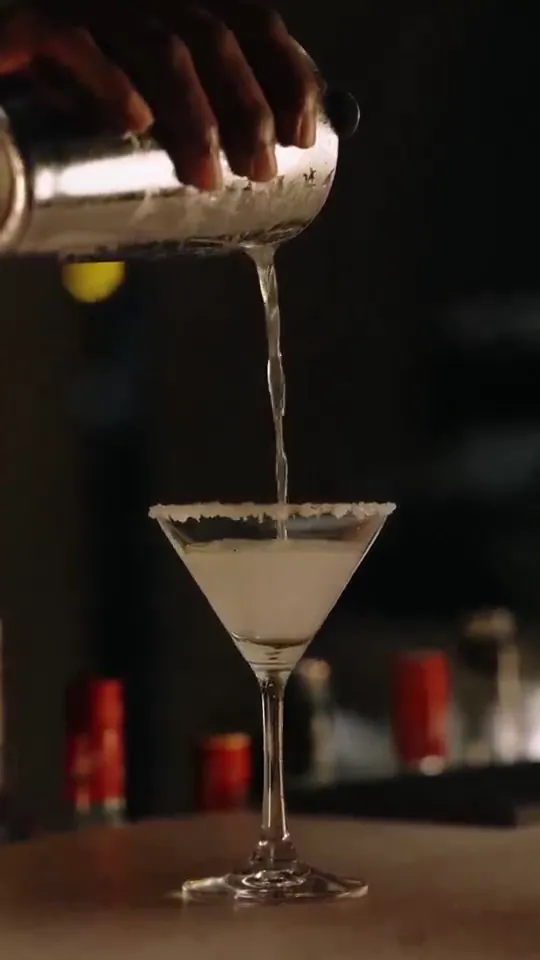
The word "indirectly" matters more than it looks. The regulation does not list examples, so we won't invent a checklist. What you can take from the wording: the test is whether the content promotes the banned product, not whether it names it. A reel built around a bottle, a pour, a branded glass or a cloud of shisha smoke promotes the product even without a caption saying so.
If you are unsure whether a frame crosses the line, ask the NMA before you publish. Its rules apply to the content, regardless of who posts it: your account, an agency, or a creator you paid.
What restaurants can advertise
The banned list is short. Food, the dining room, the terrace, the chef, the service, live music, a brunch format, a new menu: none of that is on it. That leaves most of what sells a restaurant.
There is one catch. The same article 33 names food among the sectors whose advertising needs separate approval from the relevant authority before it goes out, alongside real estate, healthcare, pharma, finance and education. Plan that approval into your timeline for campaigns and paid posts.
The general article 33 conditions apply too:
- No ambiguous claims, no "exclusive", no exaggeration, no attacks on competitors.
- Advertising must be visually separate from regular content, and paid partnerships must be disclosed. The Media Content Standards also require labelling paid ads.
- The UAE flag, emblem and anthem can only be used under the rules that govern them.
In late September 2026 the NMA reminded that AI-generated images of national symbols and public figures need prior official approval of national symbols and public figures. The same reports say the kandura in advertising is reserved for UAE nationals, and parodying the Emirati dialect in ads counts as a violation. Keep that in mind for National Day promotions.
Who answers for the post
Three parties usually touch a venue's content: the owner, the agency that shoots or runs ads, and creators who post about the place. The article 33 conditions apply to the advertisement itself, so each of them can end up holding a breach. In practice:
- The venue approves what goes out under its name and on its accounts, and arranges sector approval for food campaigns.
- The agency works from the brief and the venue's approvals. Ask your agency to flag frames that show banned products before the edit is final, not after it is posted.
- The creator needs an Advertiser Permit and has to label paid or barter posts. The venue is expected to check that permit.
A written brief that lists what must stay out of frame saves everyone a reshoot.
Common frames, read against the rules
| Frame | Where it stands |
|---|---|
| Plated dishes, kitchen, chef at work | Not on the banned list; food ads need sector approval |
| Full room, terrace, live band | Not on the banned list |
| Cocktail pour or bottle as the focus | Promotes alcohol; banned |
| Shisha pipe or smoke as the focus | Smoking of all kinds; banned |
| UAE flag in a National Day post | Allowed only under the rules on national symbols |
Fines
Cabinet Resolution 42/2025 sets media penalties. We checked the amounts against the Arabic text of the resolution published by the NMA; several law-firm summaries mix up neighbouring rows.
| Violation | Fine | Source |
|---|---|---|
| Ad breaching article 33 conditions (alcohol, tobacco and smoking included) | AED 20,000, then AED 50,000, doubled after that | Resolution 42/2025, row 15 |
| Ad without the sector authority's approval (food, for example) | AED 10,000, doubled on repeat | Resolution 42/2025, row 14 |
| Social media advertising without a permit | written warning, then AED 20,000, then AED 50,000 | Resolution 42/2025, row 11 |
| Media activity without a licence | AED 10,000, AED 40,000 on repeat | Resolution 42/2025, row 1 |
| Promoting tobacco, shisha included (Federal Law 15/2009, art. 14) | AED 100,000 to AED 1,000,000; doubled for a repeat | UAE Legislation |
| Overall ceiling | AED 1 million; AED 2 million for a repeat within a year | UAE Expert Hub |
Bird & Bird gives AED 10,000 for breaching article 33, but in the resolution that amount sits on the next row, ads without sector approval. Gulf News quoted AED 10,000 and 40,000 for operating without a licence, which is row 1. On top of the ceiling, UAE Expert Hub lists closure for up to six months or licence withdrawal. Our media fines guide has the full table.
Arabic in restaurant ads
Two rules overlap here.
Federal consumer protection law (Law 15/2020, article 26) requires consumer advertising, contracts and data to be in Arabic, with other languages allowed alongside. The fine under Cabinet Decision 66/2023 is AED 100,000 per violation. Invoices to consumers must be in Arabic too, under article 8(4).
In Dubai, Decree 6/2020 adds a layout rule for ad media: Arabic is the main language, takes at least 50% of the area, sits on top or to the right, and carries no mistakes. Websites, newspapers and TV fall outside this Dubai rule. For a venue that means signage, banners and printed promo material.
Music in your reels
From 1 December 2026 restaurants and cafés need a licence to play music in public, priced at AED 1,500 to AED 6,000 a year. That licence covers what plays in the room. It does not cover a track inside your video ad: sync rights are cleared separately with the rights holder or a stock library, and Meta's Sound Collection is licensed for use on Meta's own surfaces only, according to an agency analysis. Using a work publicly without permission can cost AED 10,000 to AED 100,000, multiplied by the number of works. Our music licence guide covers both sides.
Influencers who post about your venue
Since 1 February 2026 anyone advertising from the UAE on social media needs an Advertiser Permit from the NMA, including for barter: a free dinner in exchange for a post counts. Residents get it free for three years, then AED 1,000 a year. Brands are expected to check the permit before they work with a creator, and food content needs the sector approval described above. The full process is in our Advertiser Permit guide.
Ramadan
We found no special NMA regulation for Ramadan advertising; the general Media Content Standards apply. Agencies advise not showing eating and drinking in daytime public settings and not using religious texts in sales copy (Marketlube, Upscale Ads). That is industry practice, not law. Ramadan 2027 is expected to start around 8 February 2027 by astronomical calculation, with the date confirmed after the moon sighting.
A short pre-publish check for venues
- Nothing in the post promotes alcohol, tobacco or shisha, directly or indirectly.
- Food campaign approved by the relevant authority where required.
- Paid posts labelled, creators with a valid Advertiser Permit.
- Arabic on consumer-facing ads; 50% Arabic on Dubai outdoor media.
- Music in the video cleared for sync, not just for playing in the room.