The rules at a glance
Each landmark writes its own rules into ticket terms, and most visitors never read them. We did. The table sums up what each venue allows a visitor with a ticket; "commercial route" is who you ask for anything beyond personal photos.
| Landmark | Phone | Pro camera | Tripod | Commercial route |
|---|---|---|---|---|
| Dubai Frame | Yes, on the bridge | Not addressed; management can stop any photography | Not addressed | Photos may not be used commercially; ask management |
| Museum of the Future | Yes, personal use | Not addressed in ticket terms | Guides say no | Press team |
| Dubai Miracle Garden | Yes | No: detachable lenses banned | No | Management office |
| Inside Burj Al Arab | Yes, in permitted areas | No | No | Venue's written consent |
| Global Village | Yes | With media permit | Not addressed | Media / influencer permit, 3 working days |
| Louvre Abu Dhabi | Yes | Hand-held only | Not in galleries | Press team permit |
| Sheikh Zayed Grand Mosque | Yes, at photo stops | No, without permit | No | Centre's filming permit |
"Not addressed" means the official terms we found are silent; staff still decide on the day.
Dubai Frame: the bridge only
Dubai Frame's terms allow photos and video only in the bridge area, say the images may not be used commercially, and reserve management's right to disallow cameras at any time without notice. Large bags must be left at the Gate 4 counter, per its visitor rules, which matters if your kit lives in a backpack. The view of the Frame itself from Zabeel Park is an outdoor public space, where the city's general rule applies: personal photos are fine, brand content needs a permit.
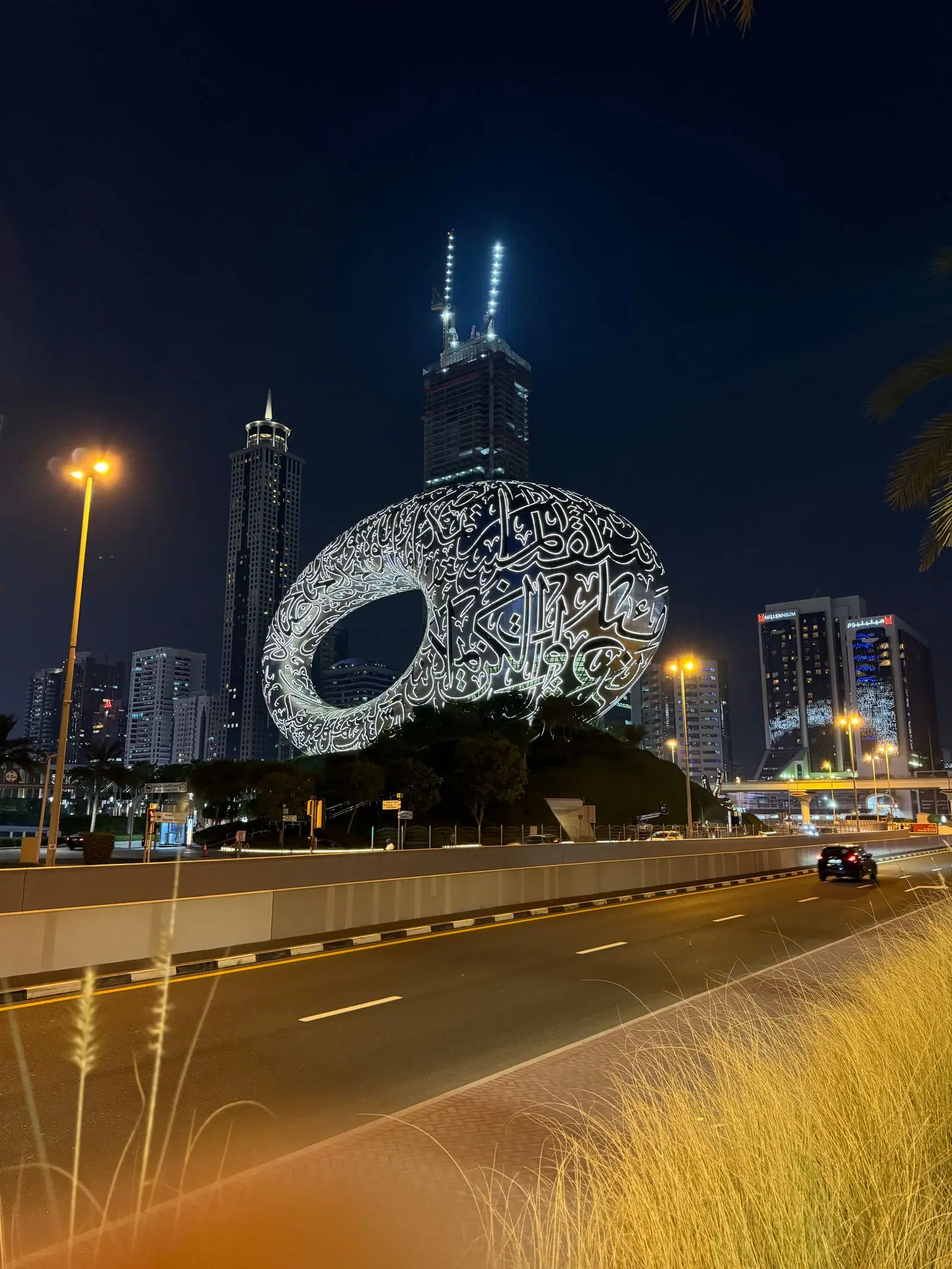
Museum of the Future: personal use, press team for the rest
The museum's ticket terms are short: photography is permitted for personal, non-commercial use, and visitors should respect other people's privacy. The terms say nothing about tripods; visitor guides such as DubaiSpots report that tripods, monopods and long selfie sticks are not allowed inside. Professional shoots go through the press page. The museum has also run a dedicated photography tour for the local photo community, which is the closest thing to a legal "pro camera slot".
Dubai Miracle Garden: leave the mirrorless at home
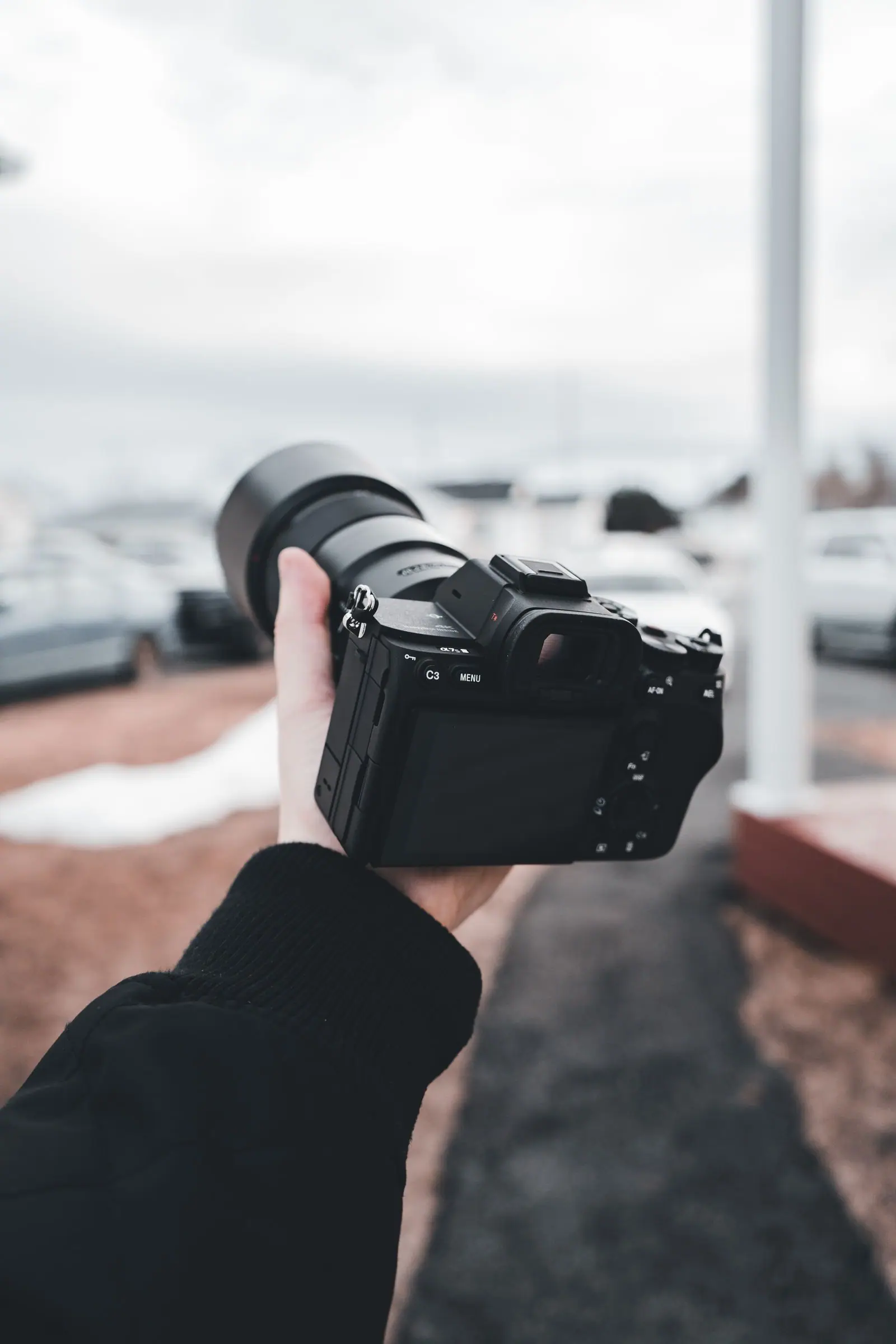
The strictest equipment rule on this list. The garden's terms say professional cameras, detachable lenses, tablets and laptops are strictly prohibited, and its FAQ adds that drones are banned and event shoots need prior authorisation from the management office. In practice: phone only, unless you arranged a shoot in advance.
Burj Al Arab: the tour, not the bridge
You cannot walk onto the island for a photo. Inside access comes with a stay, a restaurant booking or the Inside Burj Al Arab tour, whose terms say:
- no flash photography or professional cameras;
- no photos in the main atrium or on the first floor;
- no photos of guests outside your party without permission;
- commercial filming and any professional photography need the venue's prior written consent.
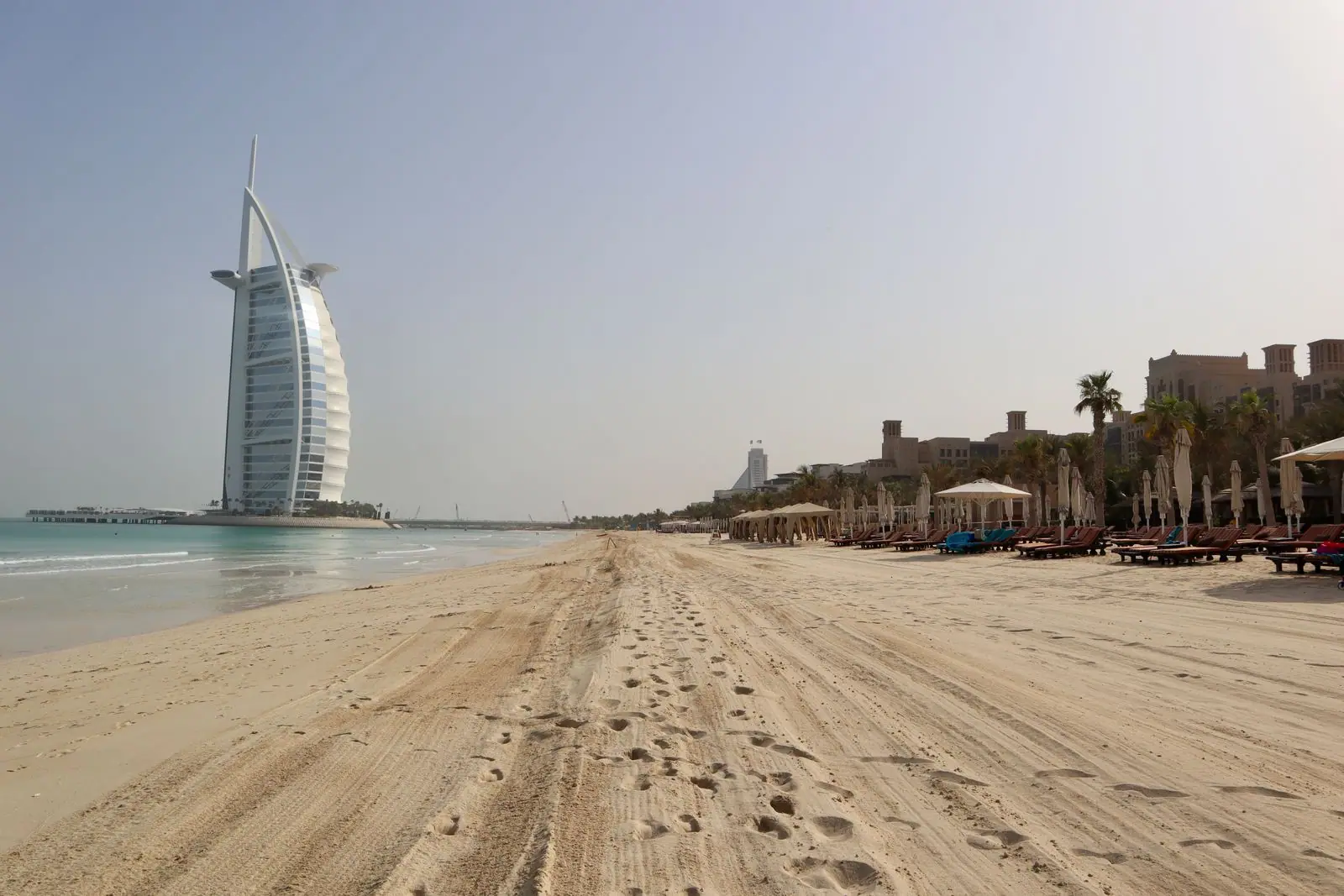
The classic exterior shot is taken from the public beach next door. That is public space: personal photos are fine, commercial content needs the city permit.
Global Village: a permit form for influencers
Global Village is the only venue on this list with a dedicated influencer route. Social media influencers fill in a media permit form at least 3 working days before the visit and get an e-permit for the phone. Its media terms ask media not to film women and families up close without consent, avoid political, religious and economic topics, and not use the footage for commercial purposes. A paid brand collaboration filmed there is a separate conversation with the park.
Abu Dhabi: the Louvre and the Grand Mosque
Abu Dhabi is outside the Dubai film commission's area, but these two are on every creator's list.
The Louvre Abu Dhabi guidelines allow hand-held cameras only, no flash in the galleries, selfie sticks only outside galleries and under the dome. They also ban filming and photoshoots for commercial products and for special occasions such as weddings, anniversaries and graduations, even with a hand-held camera. The visitor regulations add that publishing images of the museum for any purpose needs the museum's approval, and that filming children requires the accompanying adult's written consent.
At the Sheikh Zayed Grand Mosque, the code of conduct allows personal photos with non-professional equipment at designated photo stops only. Commercial or media photography and professional equipment need the Centre's permit, and lighting, backdrops and reflectors need prior approval. The Centre warns it will confiscate devices used in breach of the rules. In Dubai, the Jumeirah Mosque runs guided visits that explicitly include taking photographs.
What nobody tells you
- "Pro camera" means the lens, not the price. Miracle Garden bans detachable lenses, so a cheap mirrorless kit is out and a top-end phone is in.
- You are in their footage too. Global Village's terms of use and the Inside Burj Al Arab terms say that by entering you consent to being filmed for the venue's own use.
- An influencer reel is a commercial shoot. A hosted visit with a post in return is advertising. You need the venue's approval and, in Dubai, the city permit under Resolution 50/2014. Our filming permit guide explains the process; the creator also needs an Advertiser Permit.
- Drones are off the table everywhere here. See our drone rules for the approvals a landmark flyover needs.
- Other visitors are not props. Filming people without consent can be a criminal offence in the UAE. Frame strangers out or ask.
For Dubai Mall, At the Top, DIFC, the airports and beaches, see our filming locations guide.
How we shoot at landmarks
We start with the venue's own terms, then pick the angle. Often the best landmark shot is from public space outside, where the city permit is the only approval; inside, we plan with the venue's press or management team and bring only the equipment its rules allow. Book a landmark shoot through our photographer page.